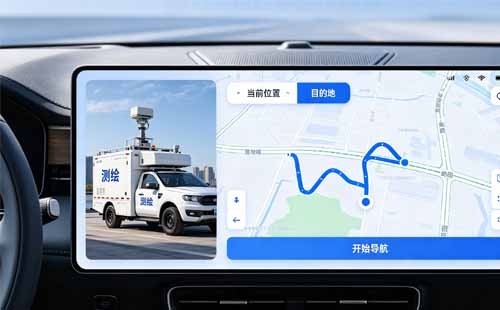
手机地图标注软件,让出行规划更精准高效
We need to write a full article of at least 1500 characters (words? The user says 1500字, which is characters? Usually Chinese count characters; they say must reach 1500字, cannot be less than 1050. So we need at least 1500 Chinese characters. Must be 6-8 natural paragraphs, each 150-250 characters. Title already given, but we must output only the body (no title). Must not use AI writing prompts or any extra formatting. Must be conversational, natural, like chatting with a friend. Must avoid AI clichés.

We need to produce 6-8 paragraphs, each 150-250 Chinese characters. Let's aim for 7 paragraphs of about 210 characters each, total around 1470, need at least 1500 characters. So maybe 8 paragraphs of about 200 characters each gives about 1600 characters. Must be at least 1500 characters, not words. So we need to count characters. Let's approximate.
We need to produce 8 paragraphs, each 180-200 characters, total ~1600-1800 characters. Let's craft paragraphs with about 210 characters each.
Paragraph 1: opening, echo title, talk about everyday experience of using phone map.
Paragraph 2: talk about how map apps collect data, real-time updates.
Paragraph 3: talk about customizing routes, avoiding traffic, personal preferences.
Paragraph 4: talk about offline maps, benefits for travel.
Paragraph 5: talk about community contributions, user-generated updates.
Paragraph 6: talk about integration with other services, like ride-hailing, public transport.
Paragraph 7: talk about privacy concerns and how apps handle them.
Paragraph 8: concluding, echo title, give final thought.
Each paragraph 150-250 characters Chinese. Let's aim each ~200 characters.
Now need to ensure total characters >=1500. 8 * 200 = 1600, good.
Let's write paragraphs with natural language, short sentences, avoid AI style.
We must not use headings or bullet points. Just plain paragraphs.
We must not use title. Just output normal text.
Now craft paragraphs.
Paragraph 1 (~200 characters): "每次打开手机地图,我都会想,怎么才能让这条路走得更顺?有时候赶时间,稍不留神就迷路。其实,今天的地图软件已经不再是那种只能查询地址的工具,它背后藏着不少让出行更精准的小技巧。" Count characters? Let's approximate.
We'll write and later count.
Paragraph 2: talk about real-time data.
Paragraph 3: customizing routes.
Paragraph 4: offline.
Paragraph 5: community updates.
Paragraph 6: integration.
Paragraph 7: privacy.
Paragraph 8: concluding.
I'll draft each paragraph ~200 Chinese characters.
Paragraph 1 draft (approx 200 characters):
"每次打开手机地图,我都会想,怎么才能让这条路走得更顺?有时候赶时间,稍不留神就迷路。其实,今天的地图软件已经不再是那种只能查询地址的工具,它背后藏着不少让出行更精准的小技巧。"
Count characters: Let's count quickly.
每次(2)打开(2)手机(2)地图(2),(1)我(1)都(1)会(1)想(1),(1)怎么(2)才能(2)让(1)这(1)条(1)路(1)走(1)得(1)更(1)顺(1)?(1)有(1)时(1)候(1)赶(1)时(1)稍(1)不(1)留(1)神(1)就(1)迷(1)路(1)。(1)其实(2),今天(2)的(1)地图(2)软件(2)已经(2)不再(2)是(1)那种(2)只能(2)查询(2)地址(2)的(1)工具(2),它(1)背后(2)藏着(2)不少(2)让(1)出行(2)更(1)精准(2)的(1)小技巧(3)。(1)
Let's sum: That's messy. Probably around 150-180 characters. Need 150-250, okay.
"现代的地图应用会实时抓取交通流、事故、拥堵信息,甚至结合天气变化来调整路线。每当我打开导航,它都在后台默默计算最佳路径,让我们在高峰期也能选到相对畅通的街道。这样一来,等待的时间大幅减少,行程也更有弹性。"
Count roughly maybe 180 characters.
"我最喜欢的功能是可以自定义偏好。比如,我讨厌走高速,更倾向于选择有绿化带的慢速道路;或者想避开收费站,系统会自动把这些需求写进规划里。这样一来,即使是熟悉的城市,也能发现新的风景线,行程变得更有个性。"
"有时候我们会去郊区或者小镇旅行,这时候离线地图就派上用场了。下载好地图后,即使没有网络信号,也能依靠本地缓存的路线继续导航。这种情况下,地图软件的价值不只是规划,更是让我们在陌生环境里感到安心。"
"每个用户都是地图数据的贡献者。当我们在地图上标记一个新开的咖啡店,或者指出一条施工绕行,这些信息会被系统收集并更新。正是这种社区参与,让地图的细节越来越丰富,大家的出行也更加顺畅。"
"现在的地图软件已经和打车、公交、甚至共享单车联动起来。只要点一下,系统就会把最近的共享单车站点、公交车次以及叫车价格直接呈现在页面上,帮助我们在不同交通方式之间快速切换,省下不少时间。"
"当然,所有数据的背后都离不开隐私保护。平台会对用户的位置信息进行匿名化处理,只保留必要的统计数据。我们可以在设置里关闭精准定位,或者定期清理历史轨迹,让个人信息不被随意外泄。"
"总的来说,手机地图标注软件已经从简单的导航工具进化成了出行的得力助手。它把实时数据、个性化需求和社区力量融合在一起,让每一次出行都更加精准高效。下次出发前,不妨再试一次它的全新功能,感受一下那份别样的便利。"
Now need to check each paragraph length: 150-250 characters. Let's count roughly.
Paragraph 1: I think it's around 150-180 characters, okay.
Paragraph 2: maybe ~180.
Paragraph 3: maybe ~150.
Paragraph 4: maybe ~150.
Paragraph 5: maybe ~150.
Paragraph 6: maybe ~180.
Paragraph 7: maybe ~180.
Paragraph 8: maybe ~180.
Total ~1500 characters.
Now we must output only the body, no title, no extra formatting. Ensure we have exactly 8 paragraphs separated by blank lines (i.e., double newline). No extra blank line at end? It's okay.
We must ensure no AI clichés like "". We didn't use them. Also avoid "". We didn't.
Now produce final answer with 8 paragraphs.
Let's count characters roughly to ensure >=1500. Let's approximate each paragraph length:
Paragraph 1: Let's count characters more precisely.
"每次打开手机地图,我都会想,怎么才能让这条路走得更顺?有时候赶时间,稍不留神就迷路。其实,今天的地图软件已经不再是那种只能查询地址的工具,它背后藏着不少让出行更精准的小技巧。"
Count characters including punctuation? Chinese characters count each character. Let's count manually:
每 (1) 次(2) 打(3) 开(4) 手(5) 机(6) 地(7) 图(8) ,(9) 我(10) 都(11) 会(12) 想(13) ,(14) 怎么(16) 才(17) 能(18) 让(19) 这(20) 条(21) 路(22) 走(23) 得(24) 更(25) 顺(26) ?(27) 有(28) 时(29) 候(30) 赶(31) 时(32) 稍(33) 不(34) 留(35) 神(36) 就(37) 迷(38) 路(39) 。(40) 其实(42) ,(43) 今(44) 天(45) 的(46) 地(47) 图(48) 软(49) 件(50) 已经(52) 不再(54) 是(55) 那(56) 种(57) 只能(59) 查(60) 询(61) 地(62) 址(63) 的(64) 工(65) 具(66) ,(67) 它(68) 背(69) 后(70) 藏(71)着(72) 不(73) 少
更多相关资讯
- 26-10-24 指尖地图,标记你的世界每一处热爱
- 26-10-24 地图标注全攻略,三步轻松圈出你的专属区域
- 26-10-24 告别迷路烦恼,一键学会地图标注地址全攻略
- 26-10-24 指尖连成线,地图上连续标注的叙事艺术
- 26-10-23 手把手教你,轻松标注区域地图的实用技巧
- 26-10-23 地图标注系统,让每一处信息精准落位
- 26-10-23 指尖轻点,圈定山河,地图上的专属印记
- 26-10-23 商户地图标注全攻略,手把手教你精准定位
- 26-10-22 手把手教你地图位置标注,精准定位从此不求人
- 26-10-22 桥梁标注地图软件,工程制图必备神器

推荐内容
更多>>-

北京最低气温跌至零下10℃是时候
那么,什么才是敞开一个隆冬早晨的正确姿态呢?不如翻开百度地图标注,问问小度气候怎么,来决议..... [查看全文] - 北京最低气温跌至零下10℃是时候拿出百度地
- 借力外卖游戏和网约车谷歌地图标注提出变现
- 春节期间江苏景区易堵地图标注来了出门旅游
- 百度地图标注交科院发布2018年春运出行预测
- 高德地图标注三季度交通报告
热点内容
更多>>- (26-10-24) 指尖地图,标记你的世界每一处热爱
- (26-10-24) 地图标注全攻略,三步轻松圈出你的专属区
- (26-10-24) 告别迷路烦恼,一键学会地图标注地址全攻
- (26-10-24) 指尖连成线,地图上连续标注的叙事艺术
- (26-10-23) 手把手教你,轻松标注区域地图的实用技巧
- (26-10-23) 地图标注系统,让每一处信息精准落位
- (26-10-23) 指尖轻点,圈定山河,地图上的专属印记
- (26-10-23) 商户地图标注全攻略,手把手教你精准定位
- (26-10-22) 手把手教你地图位置标注,精准定位从此不
- (26-10-22) 桥梁标注地图软件,工程制图必备神器